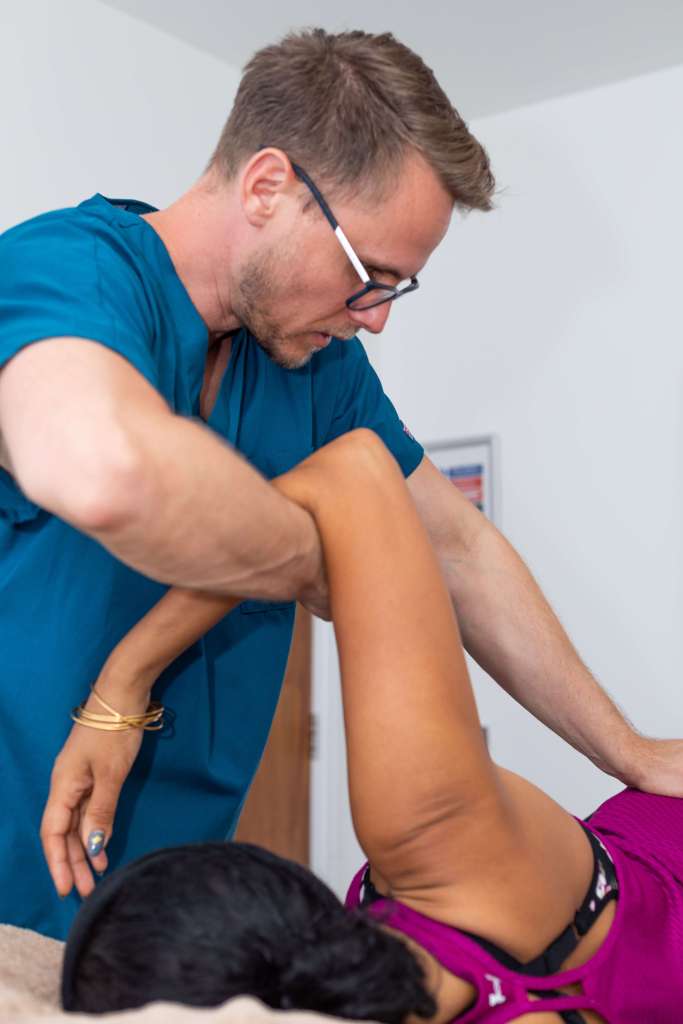
Frozen Shoulder Treatment at ProSpinal
Are you suffering with shoulder pain and stiffness that is significantly limiting your daily activities and tends to be worse at night? Has this come on gradually without any sudden injury?
If so, you may be suffering from frozen shoulder or Adhesive Capsulitis, where the capsule of the shoulder joint becomes inflamed and shrinks causing pain and tightness.
What Causes Frozen Shoulder?
There is are no identified causes but there are risk factors for developing frozen shoulder which include:
- History of previous injury, surgery or prolonged immobility of the shoulder
- Diabetes, thyroid problems, cardiovascular disease, Parkinson’s disease
- Being aged over 40 / Females are more susceptible than males
There Are Three Stages To Frozen Shoulder
01
Freezing Stage (2-9 Months)
The shoulder starts to become increasingly stiff to move and painful
02
Frozen Stage (4-6 Months)
The pain may start to subside during this stage, however, the shoulder can become stiffer and difficult to use
03
Recovery & Prevention
Each treatment reduces pain and improves mobility of the foot and ankle so you can get back to normal and doing what you love as quickly as possible. We will prescribe you with a specialised rehab plan to prevent reoccurrence and address the factors that caused the injury in the first place.
FAQs
Diagnosis of frozen shoulder is done by the case history and signs, and symptoms, MRI or Ultrasound scans may be used to exclude other shoulder conditions but there is no scan for frozen shoulder.
Frozen shoulder symptoms can last approximately 1.5-2yrs, but may be longer in other cases. This is why it is important to get an accurate diagnosis and start treatment early on to address Frozen Shoulder.
Treatment for frozen shoulder is aimed at reducing the pain and maintaining as much mobility in the shoulder as possible.
This can be achieved by having a specialist, such as an Osteopath, assess your shoulder and provide hands on treatment to reduce the pain and improve the range of motion in the shoulder.
An Osteopath will also address associated areas of the body to prevent other problems from developing as the shoulder is healing. More importantly, they will prescribe the right exercises, stretches and lifestyle advice so you can improve the movement in the shoulder and speed up your recovery.